

Learn More
Learn More

You pull into the driveway and switch off the engine, and for a moment you cannot account for the last fifteen minutes. You know you signalled at the right corners and stopped at the lights, because you are home safely, but you could not describe a single thing you saw along the way.

The cup slips from your hand in a crowded cafe. It is over in less than two seconds: a small clatter, a few heads turning, a barista appearing with a cloth before you have even finished apologising. Nobody else remembers it by the time they reach the counter. You remember it for the rest of the day.

Difficulty forming or sustaining close relationships is one of the more under-recognised forms of psychological distress. It rarely announces itself the way anxiety or panic might. It shows up as a quiet ache, a habit of self-protection, or a pattern of pulling back right when connection is within reach.
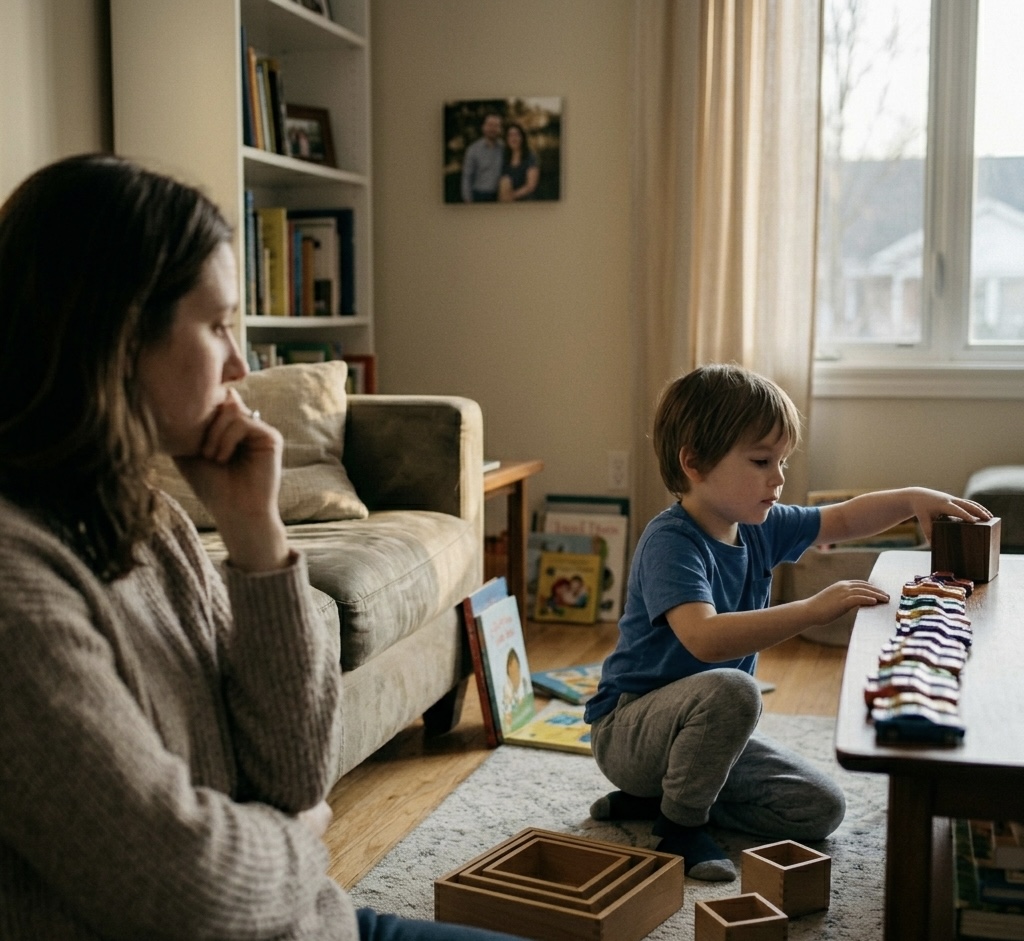
The parent's quiet realisation "You watched your child line up their toys in a particular order, again, and noticed the way their face calmed when nobody interrupted. You watched them at the playground, slightly off to one side, watching the other children but never quite joining. You watched them melt down over a sock that felt wrong, and you knew, somewhere in the back of your mind, that this was not a tantrum."
.png)
When something overwhelming happens, your brain processes it differently from an ordinary memory. Normally, memories get filed away as “things that happened in the past.” They still exist, but they feel finished. Settled.
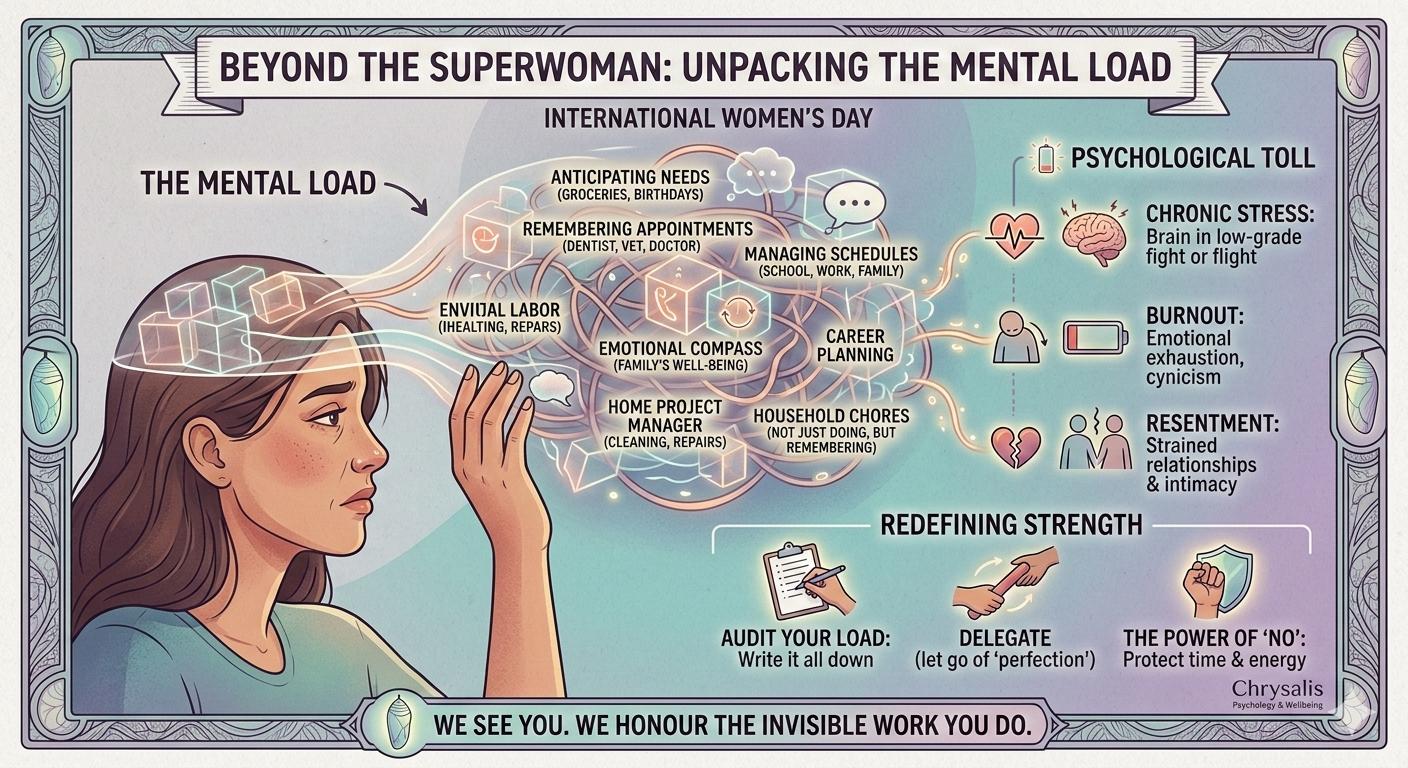
As we celebrate International Women's Day, we often highlight the glass ceilings shattered and the milestones achieved. We want to celebrate those victories while also addressing a quieter, internal struggle that many women face: the weight of the "mental load."

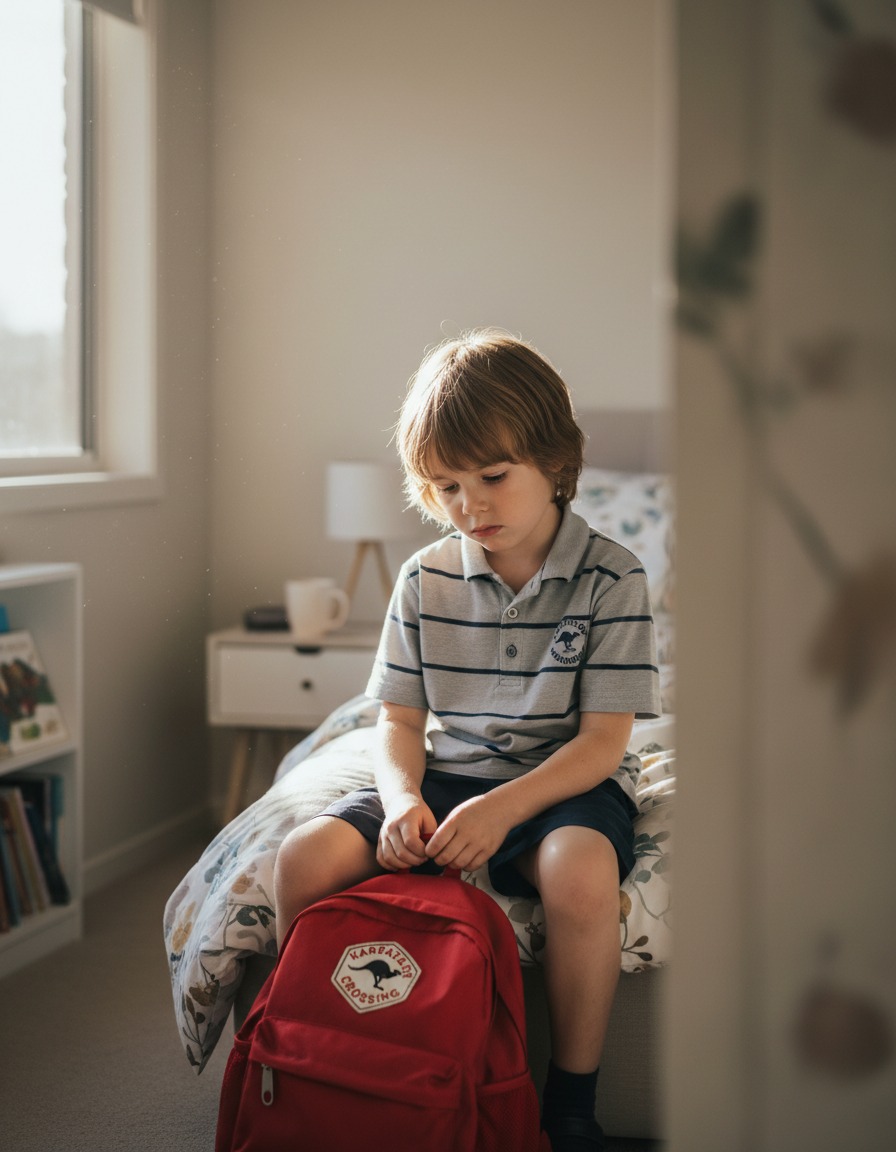
Separation anxiety is common during childcare and school transitions and can make drop-offs stressful for children and parents alike. This blog explains why separations feel so hard, how adult responses shape anxiety, and what helps children feel safe, confident, and settled over time.

The end of the year is often called the “silly season” - a time of celebration, family, and joy. But for many people, it is also one of the most emotionally and financially demanding times of the year. Between social obligations, gift-buying, travel plans, and family expectations, it is easy to lose the very peace we are supposed to be celebrating.

Exams are often described as a “normal” part of life - but for many students (and their parents), they can feel anything but normal. The pressure to perform, the long hours, and the fear of not meeting expectations can take a real toll on mental health. Understanding how stress affects us and using practical coping tools can make this period more manageable - and even a time for growth.





.png)



.webp)
