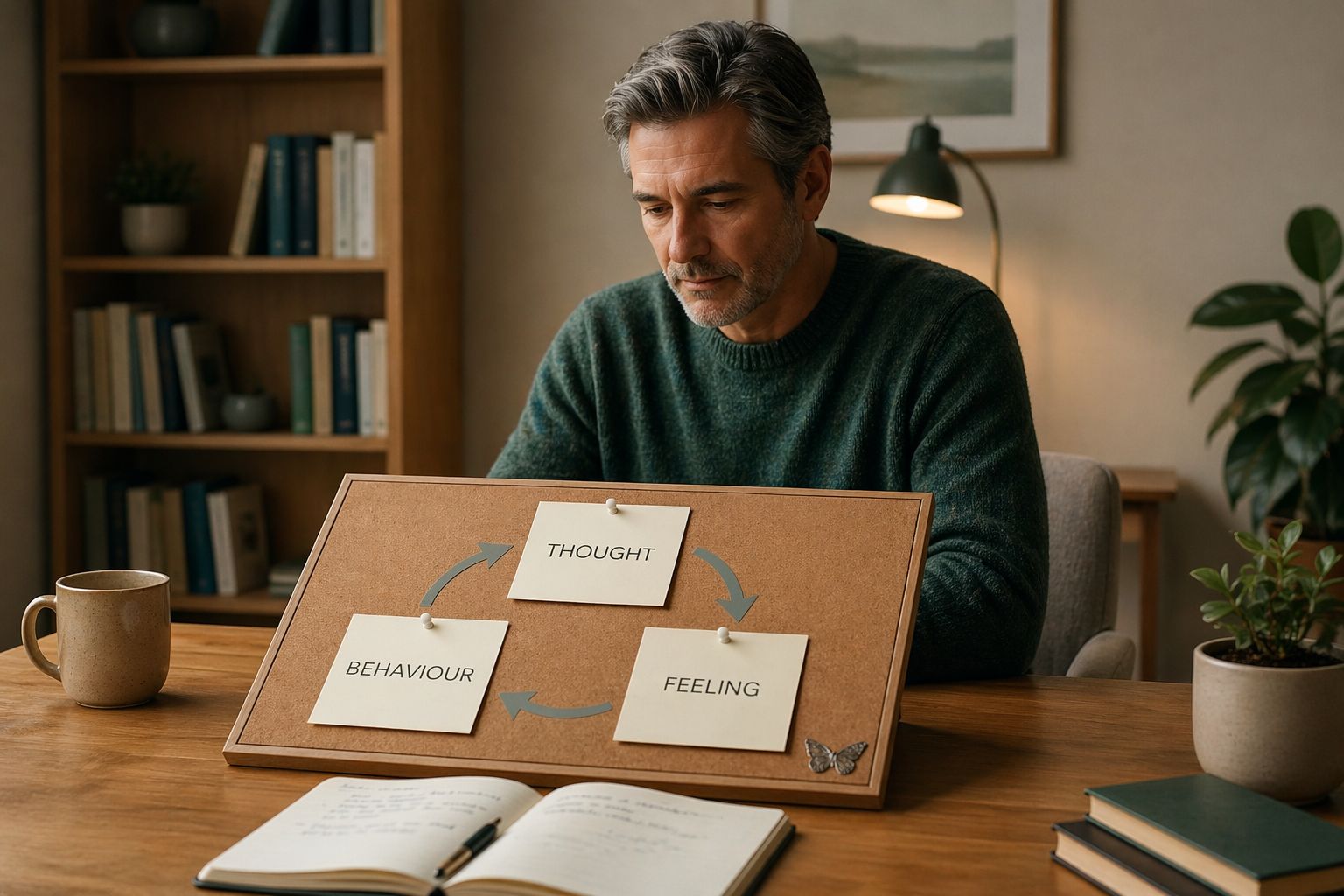
Coping with Exam Stress - Staying Calm When the Pressure’s On

Coping with Exam Stress - Staying Calm When the Pressure’s On

Exams are often described as a “normal” part of life - but for many students (and their parents), they can feel anything but normal. The pressure to perform, the long hours, and the fear of not meeting expectations can take a real toll on mental health. Understanding how stress affects us and using practical coping tools can make this period more manageable - and even a time for growth.

The Reality of Exam Stress

Feeling stressed before an exam is completely natural. A certain amount of pressure can even help us stay motivated and alert. However, when stress becomes overwhelming, it can affect concentration, memory, and sleep - the very things students need most during study time.

Common signs of exam stress:

- Racing thoughts or difficulty concentrating

- Headaches, fatigue, or nausea

- Irritability or emotional ups and downs

- Negative self-talk (“I am not smart enough”)

- Avoidance or procrastination

If these symptoms feel familiar, know that you are not alone - and that there are simple, effective ways to support your mind and body through this time.

Practical Strategies for Students

1. Plan, But Stay Flexible

Create a realistic study schedule that includes breaks, meals, and time for movement. Use short study blocks (like 45 minutes) followed by 10–15-minute breaks. Avoid cramming; consistency beats last-minute panic.

2. Keep Perspective

Exams test knowledge, not worth. One result will not define your future - but learning how to manage stress will serve you for life. Try to focus on doing your best, not on being perfect.

3. Use the Body to Calm the Mind

Breathing exercises, stretching, or even a short walk outdoors can reset your nervous system. One simple exercise: breathe in for four counts, hold for six, and breathe out for seven. Repeat several times to slow racing thoughts and calm your mind and body.

4. Prioritise Sleep and Nutrition

Lack of sleep increases anxiety and reduces memory. Aim for 7-8 hours each night. Stay hydrated, eat balanced meals, and avoid relying solely on caffeine or energy drinks.

5. Reach Out

If stress feels unmanageable, talk to someone - a parent, teacher, friend, or counsellor. Sometimes, just voicing how you feel can make it less heavy.

Guidance for Parents and Caregivers

Parents often experience their own form of exam stress - wanting to support their child but unsure how to help. The most effective support often comes from empathy rather than pressure.

Try to:

- Listen without immediately offering solutions.

- Encourage breaks and positive self-talk.

- Celebrate effort, not just results.

- Maintain family routines that feel normal and grounding.

A calm home environment helps children regulate their own emotions. Your reassurance -“I am proud of how hard you are trying” - matters more than any study tip.

Beyond the Exam Room

When exams end, take time to rest and decompress before jumping into the next goal. Celebrate small wins and recognise how much effort went into the process.
Resilience is not about avoiding stress – it is about learning to navigate it with awareness and care.

So if you or someone you love is facing exam season, remember: this is one chapter in a much bigger story, and you already have the skills to write the next one with clarity and calm.